

Protein Drink Market to grow from USD 21.47 Bn in 2025 to USD 38.85 Bn by 2032 at a 8.84% CAGR. The Market is expanding as consumers increasingly prioritize fitness, wellness, and performance nutrition. Demand is rising for protein-enriched beverages, including low-sugar, lactose-free, plant-based, and RTD protein drinks designed for recovery, weight management, and overall health.
Key Highlights
The North America region leads the Protein Drink Market with a 36.44% market share, due to strong demand for RTD protein drinks, sports nutrition beverages, and widespread presence of fitness and lifestyle consumers.
Asia Pacific records the fastest CAGR of 10.68%, supported by rising disposable income, gym penetration, and the rapid expansion of online protein drink retail.
Europe strengthens clean-label adoption, driven by preference for sugar-free, low-carb, and plant-based protein drinks market innovations.
Surge in plant-based protein beverages driven by vegan diet trends, sustainability awareness, and improved taste/texture profiles.
Strong growth in whey protein drinks, supported by high BCAA content, improved digestibility, and sustained popularity in performance and recovery nutrition.
Increased adoption of sugar-free and lactose-free protein drinks due to rising intolerance levels and clean formulation preferences.
Competitive intensity rises as global players enhance RTD innovation pipelines, expand distribution networks, and focus on functional health beverage diversification.
Brands are leveraging digital retail, subscription deliveries, and personalized nutrition to scale growth. Clean-label high-protein drinks, eco-friendly packaging, and clinical nutrition applications are strengthening long-term demand, supported by strict regulations on transparency, nutritional accuracy, and safe formulation standards.
Chart Loading...
Chart ID: 69303308b0faf8eb76a87212
Protein Drink Market Breakdown, By Product for 2024-2032
Ready-to-Drink (RTD) Protein Drinks dominate, fueled by convenience, on-the-go consumption, and widespread adoption in gyms, fitness centers, and retail outlets.
Protein Shots are gaining traction due to concentrated protein content, portability, and suitability for pre- or post-workout nutrition.
Protein Shakes grow steadily, supported by meal replacement trends, high-protein formulations, and consumer focus on weight management and muscle recovery.
Others include functional protein beverages, clinical nutrition-specific drinks, and customized formulations targeting immunity, digestive health, or lifestyle nutrition.
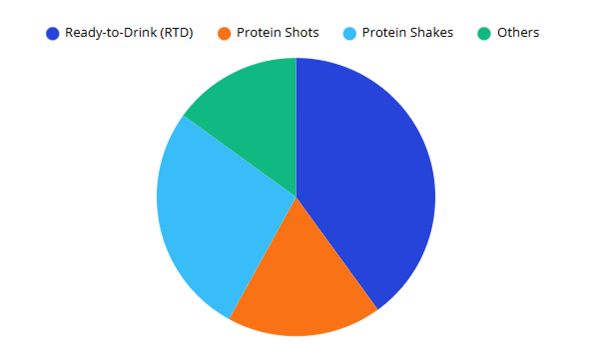
Chart Loading...
Chart ID: 6930396c1e5d01231655c374
Regional Analysis
North America: Leads with strong adoption of RTD protein drinks, sports nutrition beverages, and high-performance recovery drinks across gyms, retail, and online marketplaces.
Europe: Growth driven by clean-label preferences, sugar-free protein beverages, and demand for sustainable, plant-based formulations.
Asia Pacific: Fastest-growing market due to rising fitness awareness, youth-focused protein intake, and expanding digital commerce channels.
Middle East & Africa: Growth supported by increasing gym memberships, dietary supplementation trends, and penetration of international sports nutrition brands.
South America: Expanding adoption driven by lifestyle wellness, weight management focus,
Chart Loading...
Chart ID: 69303cbd1e5d01231655c38f
The Protein Drink Market remains competitive, with leading players including Abbott, Glanbia plc, PepsiCo, Nestlé Health Science, Premier Protein, Ascent Protein, and emerging brands focused on clean-label, high-protein, and plant-based beverage innovations.
The shift toward functional nutrition, on-the-go consumption, and digitally optimized distribution will accelerate market expansion from 2025 to 2032, supported by strong consumer demand for nutrient-rich, convenience-driven, and health-focused protein beverages.